

GFFN Newsletter – Advancing nutrition-related investment standards; unlocking climate finance; COP30 priorities for finance, food, trade, and metrics; new Resilient Prosperity Forum to explore food finance questions.
ATNi engages in the IFRS/ISSB consultation on amendments to the SASB standards
A critical shift toward healthier product portfolios
The food industry’s transition towards providing healthier foods for all is essential to mitigating the growing health and economic burdens of poor diets. Undernutrition and micronutrient deficiency are estimated to cost the global economy $1 trillion, and an additional $2 trillion is lost due to overweight and obesity annually. This represents a loss of 2-3% of global GDP each year.
However, transparency and accountability regarding companies’ nutrition strategies, targets and performance are needed to drive progress towards this goal. To date, sustainability reporting frameworks, which guide companies’ disclosures on topics such as nutrition, have only partially supported this need. Encouragingly, recent updates to the SASB standards for Processed Foods suggest that change may be on the horizon.
Data: The missing link for systemic transformation
Robust, comparable, and accessible data on the healthiness of product portfolios and marketing and labelling strategies of the world’s largest food companies are vital for transforming food systems. Such data enables informed policymaking, levels the playing field among market actors, and empowers investors to assess the relationship between financial performance and product healthiness. Yet, this data remains scarce – and this concern is echoed by key stakeholders committed to driving systemic change. ATNi has been assessing the food sector to fill this gap for over ten years, with data generated by our research informing investment and policy decisions globally.
IFRS/ISSB prioritizes Food & Beverage in SASB standard revisions
The ongoing IFRS/ISSB consultation on the amendments to the sustainability reporting standards features the SASB Processed Foods sector as the only non-extractive industry amongst 9 sector standards being revised. As of 2025, 2,213 companies across 72 jurisdictions have reported using SASB Standards, with nearly a quarter of them belonging to the S&P Global index. The proposed changes, currently open for public consultation until November 30, are a step forward to improved disclosures. Key enhancements include:
- Health and Nutrition: The revised metrics now specify that nationally and internationally recognized NPMs should be used for determining the proportion of revenues from healthy foods. This is a step forward towards more credible data on portfolio healthiness.
- Product Labelling & Marketing: The updates introduce greater precision in disclosures, helping to increase transparency over corporate marketing and labelling practices and exposure to regulatory developments.
COP30 event led by FAO: Unlocking Climate Finance for Agrifood Transformation and Climate Action
On 18 November, from 18:30–20:00 in Side Event Room 4 in Belém (UNFCCC Official Side Event), a high-level session will bring together key stakeholders to explore a diverse mix of complementary finance solutions — including public, concessional, and blended finance; green bonds; national policies that realign budgets and subsidies; and the use of voluntary carbon markets, Article 6 mechanisms, and philanthropic capital. The discussion will aim to advance inclusive and scalable finance strategies to accelerate the transformation of agrifood systems and will include participation from commercial banks in our network.
Innovative Food Finance for Resilient Prosperity – emerging theme at COP30
Climate Civics is hosting a series of Earth Diplomacy Leadership workshops before and during the COP30. On Monday, November 10, the opening day of the negotiations, the subject was Food Systems and Nature. Today, on Day 4, it was Finance, Banking, and Data.
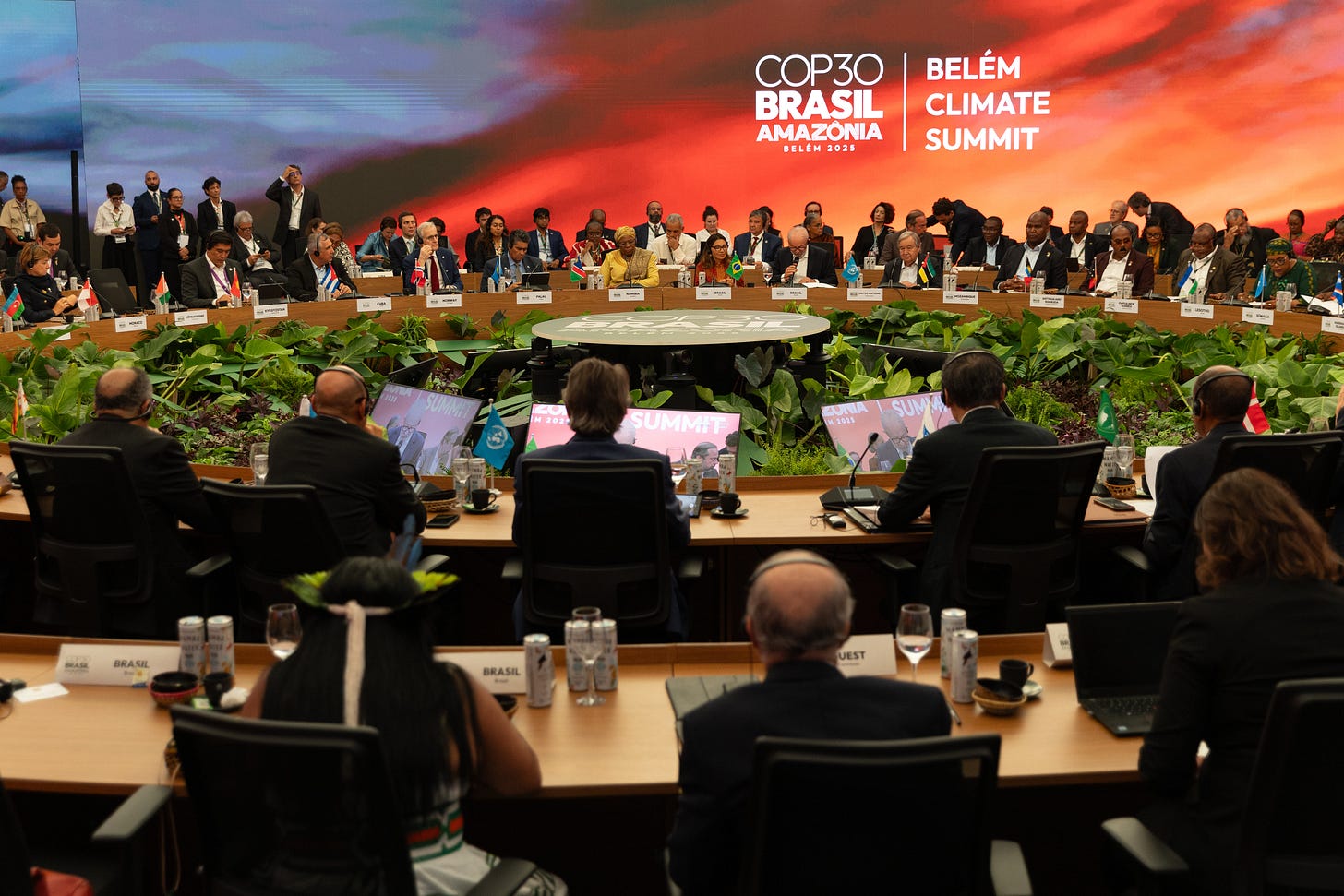
Through the Climate Value Exchange, Climate Civics and partners are bringing food systems transformation issues—including cooperative finance innovation and data systems—to the formal negotiating process and to a wider climate-focused network of allies. Some of the key insights emerging from this engagement:
- We need to move beyond the idea of “solutions” and shift to a mindset that favors adaptive systems design, so local economies benefit from new financing attuned to local risk reduction and resilience needs.
- Connect city-level food finance to resilience-building investment in rural communities and agricultural landscapes, using climate banking innovation, multidimensional metrics, and cooperative risk reduction to achieve benefits that compound positive effects, attract further investment, and persist over time.
- Invest in climate-resilient infrastructure, and leverage its added value to support smart, multiphase planning for diversified, adaptive and sustainable local economies.
The inaugural meeting of the Resilient Prosperity Forum
On October 27, the Climate Civics and the Climate Value Exchange held the inaugural meeting of the new Resilient Prosperity Forum. The meeting opened with keynotes from Dr. Vera Songwe and Amar Bhattacharya, both Senior Fellows at the Brookings Institution and Co-Chairs of the Independent High-Level Expert Group on Climate Finance. Their keynotes, and the subsequent discussion highlighted areas of resilience-building value that could shape the future of food systems finance:
- We are moving into an era of what will likely be accelerating and irreversible climate change. That fact requires we rapidly scale up investment in clean and resilient energy systems, while also rapidly expanding investments into adaptation and resilience measures.
- Countries can create fiscal space by aligning budgets with climate goals, to maximize sustainable investment value.
- Debt arrangements need to be responsive to climate vulnerability and impacts, so debt payments can be temporarily suspended while actions to respond to crisis or build resilience against future shocks are underway.
- Local context and lived experience are vital for developing finely tuned, useful metrics.
The Resilient Prosperity Forum will link outcomes from the COP30 round of climate negotiations to Good Food Finance priorities, financial and data systems innovation, and to opportunities for mainstreaming climate-resilient development. A formal debrief on COP30 outcomes and next steps for climate-resilient financial innovation, will take place in December.
 Good Food Finance Network