

On Wednesday, March 26, 2025, CCI convened Part 1 of the Good Food Finance Network’s Data Systems Integration Forum. This virtual discussion forum focused on work needed to activate insights from the Good Food Finance Blueprint for Data Systems Integration, released last year. The aim of this interactive forum is to establish parameters for early and advanced stageContinue reading “Consider the human – Report from Part 1 of GFFN Data Systems Integration Forum”
Tag Archives: global crisis response
Make trade work for everyone

Climate value must be built into all decisions on trade By Steve Valk As the world strives to meet the challenge of reducing greenhouse gas emissions enough to keep the increase in temperature from exceeding the 1.5°C threshold, international trade has the potential to be the driver of best-case outcomes for people and for theContinue reading “Make trade work for everyone”
Transforming Agrifood Systems Amidst the Climate Crisis: A Diversity of Solutions for People, Planet, and Prosperity

The report aims to inform, enable, and mobilize a broad spectrum of policymakers, private asset managers and owners, and corporate leaders through a journey that leads towards agrifood systems transformation with equitable health, climate, and financial benefits for all.
The future of finance is distributed, multiscale, and resilience-building

The future of finance will be less exploitative and better designed to generate sustainable value, inclusively. It will be distributed, multiscale, and resilience-building. We know this, because the raw math shows it must be so. Already the number of catastrophically costly events driven by climate destabilization has proliferated wildly. Most regions are now experiencing multiple overlapping major climateContinue reading “The future of finance is distributed, multiscale, and resilience-building”
Five-year sprint to transform food-related finance data

In May, the Good Food Finance Network launched the Integrated Data Systems Initiative, as a 5-year innovation sprint linked to AIM for Climate Summit. The goal is to transform the way data systems inform financial decision-making—across the public, private, and multilateral sectors. Read more.
Finance leaders publish new generation of ‘high ambition’ targets for the sustainable food transition

UN-supported group urges wider finance sector to ‘supersize its ambition’ (Geneva, 27/10/22) The Good Food Finance Network’s High Ambition Group, a group of 11 influential institutions in food and finance, today unveiled a first tranche of environmental and social impact targets covering over US$108 billion of existing assets. The UN Environment Programme (UNEP) praised the targets and called onContinue reading “Finance leaders publish new generation of ‘high ambition’ targets for the sustainable food transition”
Bonn climate talks signal need for good food finance

Discussions at the 2022 Bonn Climate Change Conference (SB56) illustrate that climate-aligned food-related finance is becoming a priority for local communities, national governments, and international cooperation.
IPCC Sixth Assessment Report

The IPCC is now in its sixth assessment cycle, in which the IPCC is producing the Sixth Assessment Report (AR6) with contributions by its three Working Groups and a Synthesis Report, three Special Reports, and a refinement to its latest Methodology Report, presenting the most advanced and recent knowledge on global warming and climate change while highlighting the responsibility of humans in the latter. The most recent IPCC report 2022 warned that the world is set to reach the 1.5ºC level within the next two decades and said that only the most drastic cuts in carbon emissions from now would help prevent an environmental disaster.
IPCC Special Report on Climate Change & Land

The IPCC Special Report on Climate Change and Land found that consumption of food, feed, fibre, timber and energy have caused unprecedented rates of land and freshwater use, with soil erosion from agriculture up to 100 times higher than the soil formation rate, increasing net GHG emissions and loss of natural ecosystems and biodiversity.
‘Healthy Diets from Sustainable Food Systems: Food, Planet Health’ EAT – Lancet Commission Summary Report
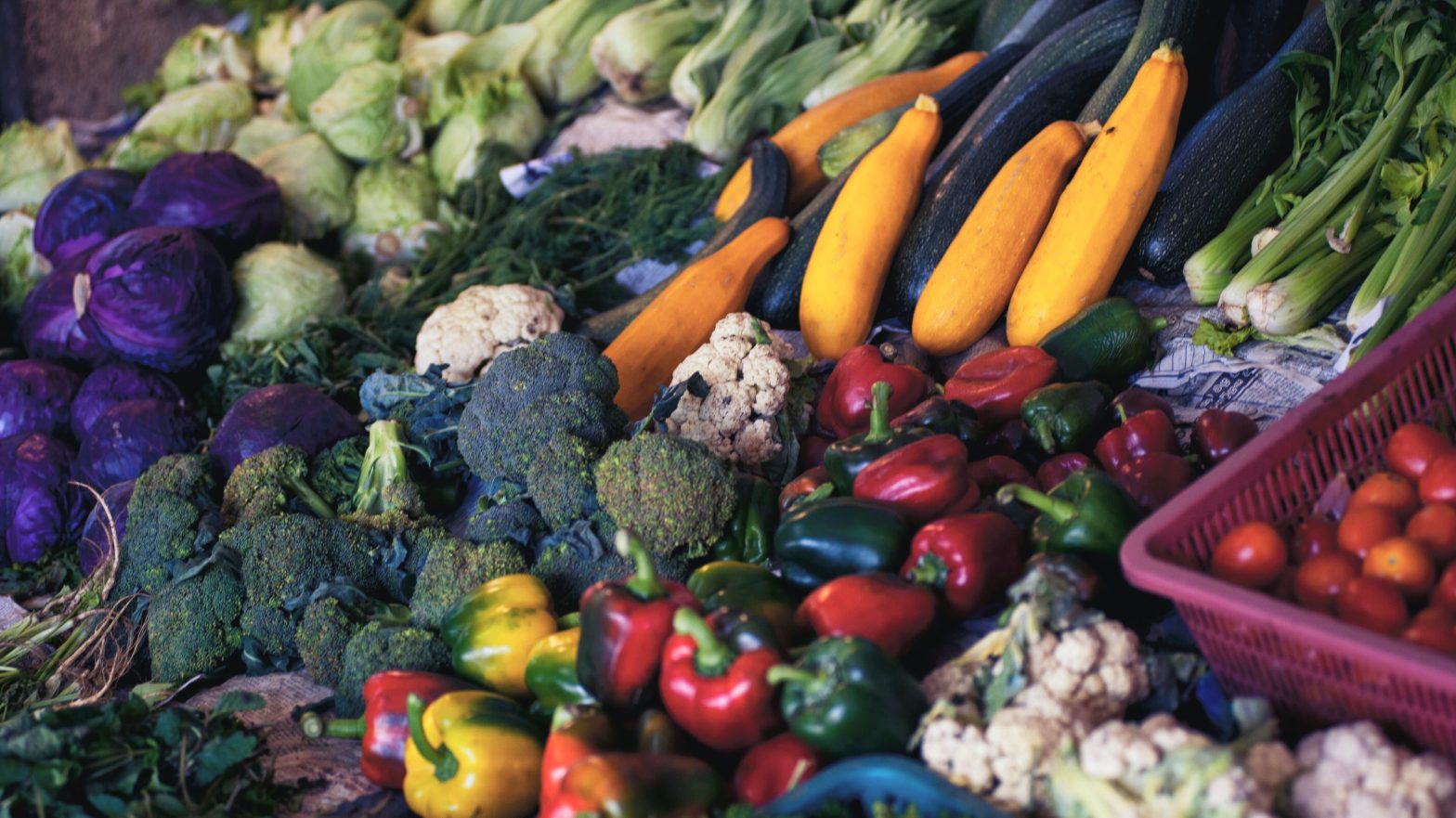
The EAT-Lancet report is the first full scientific review of what constitutes a healthy diet from a sustainable food system, and which actions can support and speed up food system transformation.
 Good Food Finance Network