Enabling Innovative Approaches:
Overcoming barriers companies face in adopting more sustainable practices through incentivizing food and agriculture investments
About
We work with value chain actors, including public and private financial institutions, companies, and producers to shape the role of public and private sector finance in enabling and incentivizing sustainable business practices, and explore solutions to overcome barriers to investment in sustainable food systems. We focus on:
- Building knowledge through peer exchange, wide consultations and production of reports;
- Developing tools to guide companies and public and private sector financial institutions on co-financing sustainable business practices; and
- Advocacy to amplify the findings and promote solutions for action on sustainable food systems.
Highlights
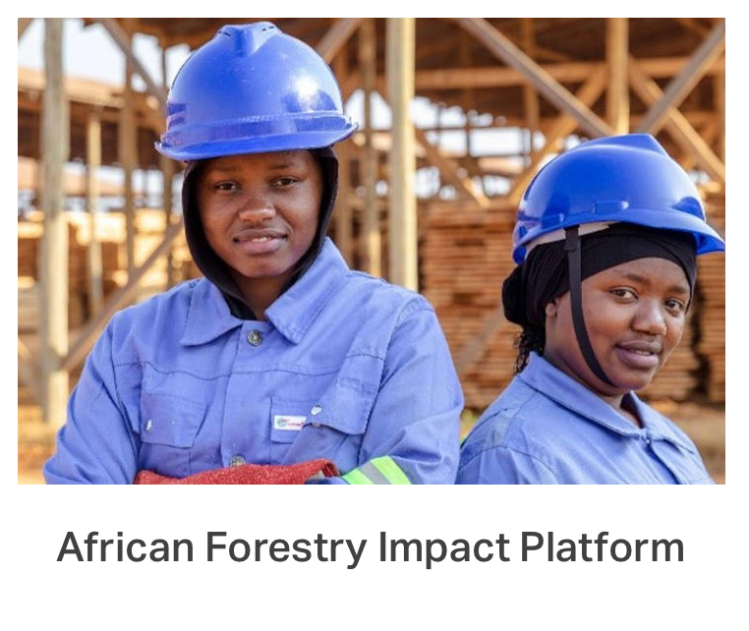
Case Studies: Scaling Partnerships for Investment in Sustainable Food Systems, Forests, and Nature
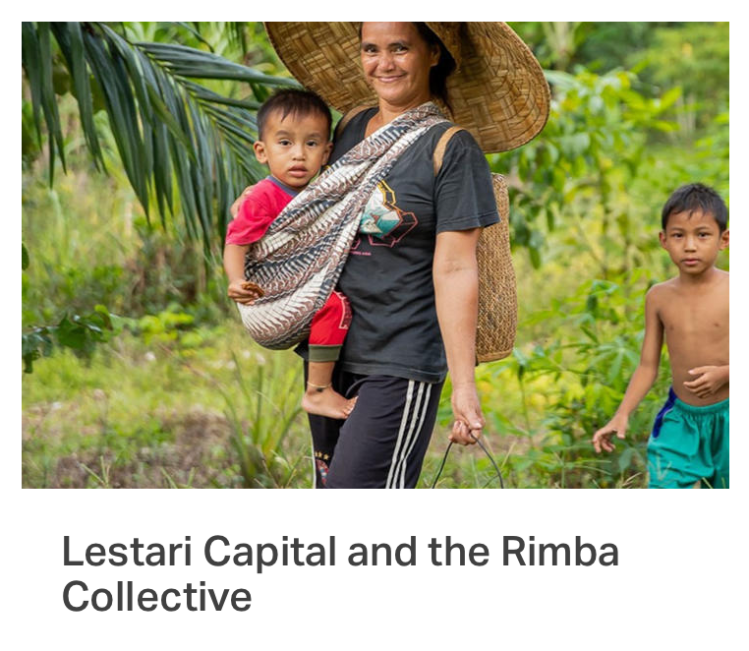
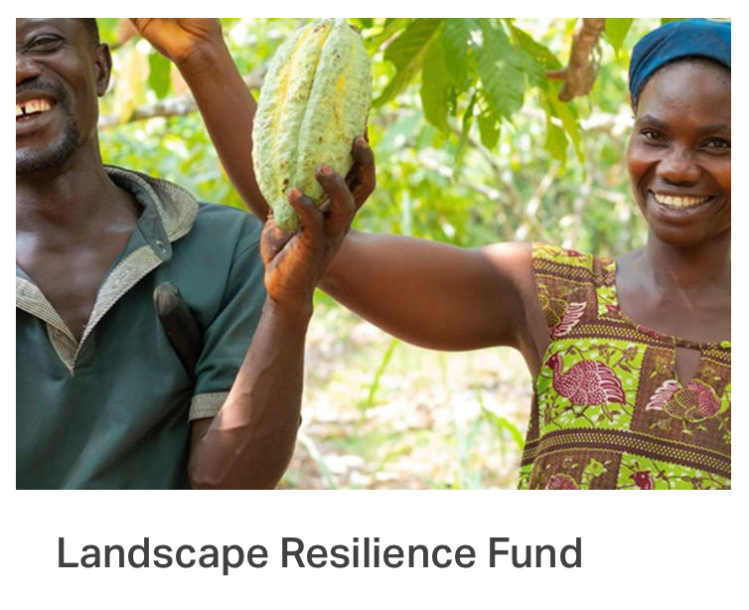
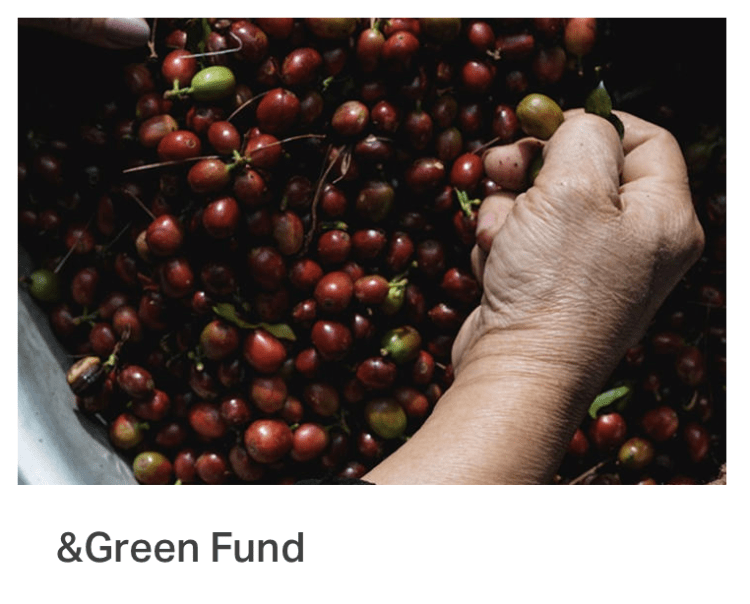
The World Business Council for Sustainable Development (WBCSD), as the secretariat of the Forest Investor Club and a founding partner of the GFFN has developed a set of case studies to showcase examples of innovative investment strategies that are directing private capital towards sustainable food systems, forests, and nature. The case studies highlight how collaborations between public and private investors offer a critical pathway to transform the financing of sustainable food and land use systems and illustrate the catalytic role that corporates increasingly play in helping to set up and scale these types of investment partnerships.
This brief summarizes key takeaways that can inform future efforts in facilitating investment partnerships.

Access to Nutrition Indexes
The Access to Nutrition Initiative, a core partner of the GFFN, has developed a series of Indexes. They are developed on the premise that the food and beverage sector can improve to support sustainable, equitable, and nutritious food systems. The Indexes provide stakeholders with robust data and analysis they need to measure company performance, track progress, and engage in progressive dialogue.
By assessing and ranking the world’s largest manufacturers and retailers on their nutrition-related commitments, practices and performance globally, ATNI aims to encourage companies to:
- Increase consumer access to nutritious and affordable foods and beverages through actions related to product formulation, pricing and distribution; and
- Responsibly exercise their influence on consumer choice and behavior through actions in areas such as marketing, labeling and promoting healthy diets and active lifestyles.


“Climate change, together with the energy and food crises, demand we improve food system resilience and mitigation solutions.
This can only be achieved when businesses, private and public sector finance raise their ambition together and implement their climate and ESG commitments by investing in low-carbon, nature positive and equitable food systems. Timing is critical.
Diane Holdorf, Executive Vice president, World Business Council for Sustianable Development (WBCSD) and GFFN Principal






 Good Food Finance Network